Farm Tax Planning — What West Tennessee Farmers Need to Know in 2026
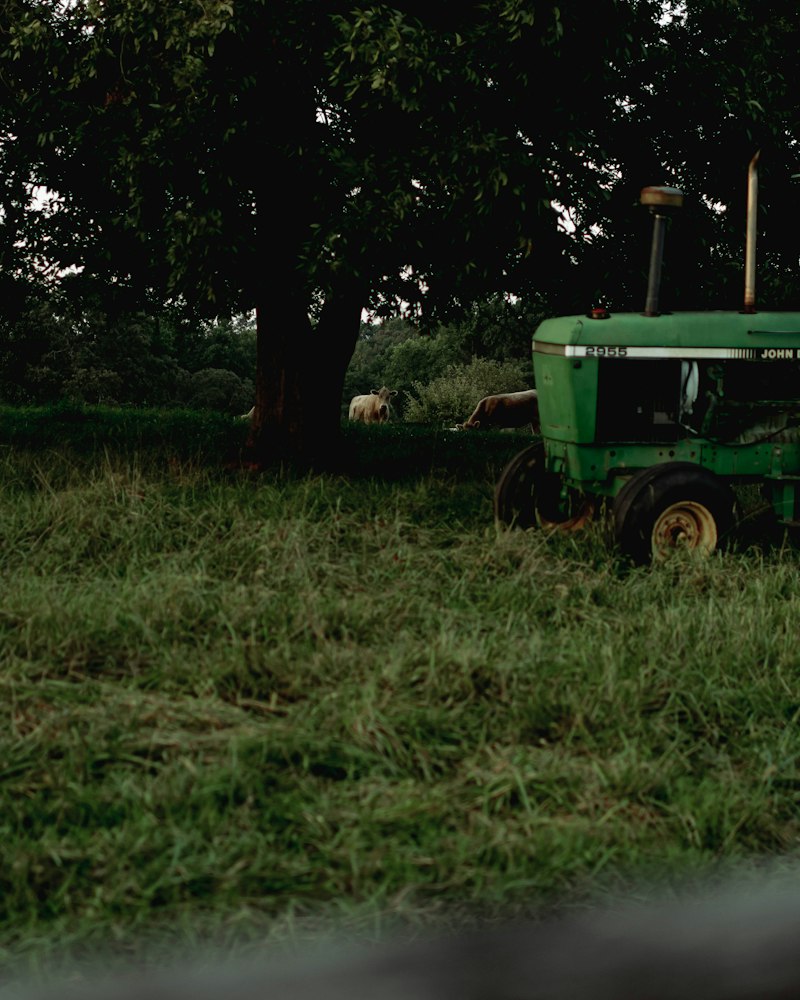
Farming in West Tennessee is more than a business — it's a way of life that often spans generations. But the tax side of farming is uniquely complex, and the strategies that save a farmer money are very different from what works for a typical small business.
We've been working with West Tennessee farm families since 1979. Here's what you need to be thinking about for 2026.
Section 179 and Bonus Depreciation
Equipment purchases are one of the biggest tax levers farmers have. Section 179 allows you to deduct the full purchase price of qualifying equipment in the year you buy it, rather than depreciating it over several years. For 2026, the Section 179 limit is over $1.2 million.
And here's the big news: the One Big Beautiful Bill Act, signed into law in July 2025, permanently restored 100% bonus depreciation for qualifying property acquired after January 19, 2025. That means the phase-down that was scheduled (it had dropped to 80%, then 60%, and was headed to zero) is gone. If you buy a qualifying tractor, combine, or other equipment in 2026, you can deduct the full purchase price in the year you put it into service. This is permanent now — not a temporary extension — which makes long-term equipment planning much more predictable.
Between Section 179 and 100% bonus depreciation, the deduction opportunities for farm equipment are substantial. The key is timing your purchases with your CPA so the deductions hit in the year where they save you the most money.
Income Averaging for Farmers
Farm income fluctuates wildly from year to year based on weather, commodity prices, and crop yields. The IRS allows farmers to use income averaging on Schedule J, which lets you spread a high-income year's taxes over the previous three years. This can move income out of higher tax brackets and save you thousands.
Not every CPA knows how to use Schedule J effectively. It's one of the things we specifically focus on for our farm clients.
Prepaid Expenses
Cash-basis farmers can deduct prepaid farm expenses — seed, fertilizer, feed — in the year they're paid, even if they won't be used until the following year. This is a powerful tool for managing taxable income between years. Had a great year? Prepay next year's inputs in December to reduce this year's tax bill.
The IRS has rules: prepaid expenses generally can't exceed 50% of your other deductible farm expenses for the year. Your CPA needs to know this limit and help you plan accordingly.
Estate Planning for the Family Farm
This is the conversation nobody wants to have but everybody needs to have. How does the farm transfer to the next generation without a massive tax hit? Without planning, estate taxes and capital gains taxes can force families to sell land that's been in the family for decades.
Tools like installment sales to family members, family LLCs, qualified personal residence trusts, and proper use of gift tax exclusions can protect the farm. But these strategies require years of advance planning — not a last-minute fix. If you haven't had this conversation with your CPA and your attorney, put it on the calendar now.
Conservation and Environmental Credits
Tennessee farmers may qualify for conservation easement deductions, environmental compliance credits, and various USDA program payments that have specific tax treatment. Some of these are taxable, some aren't, and some have special elections available. Getting these right requires a CPA who understands agricultural tax law.
Farming families in Madison County, Gibson County, Chester County, Henderson County, and across West Tennessee are the backbone of our community. If you're working with a CPA who doesn't understand farm tax — or if you're trying to handle it yourself — we'd like to help.
See how we help farming families on our industries page or book a free consultation.
Ready to Take the Next Step?
Book a free consultation with one of our accountants — we'll review your situation, answer your questions, and put together a plan that makes sense for you. No pressure, no jargon, just a real conversation.